

Co-Facilitated Relationship Counselling in English
Two practitioners. One relationship. Making space for the relationship you want to create.
You may be building a full and meaningful life together, yet find yourselves struggling to connect, caught in familiar conflicts, or feeling further apart than you'd like. Between work, responsibilities, uncertainty, and the many demands of daily life, it can become difficult to offer one another the care and attention you both need.
Your relationship deserves space to be tended, too.
Alongside my partner, Kirien, I offer co-facilitated relationship counselling where we can slow down together, explore what's happening between you, and make room for greater understanding, connection, and new possibilities.
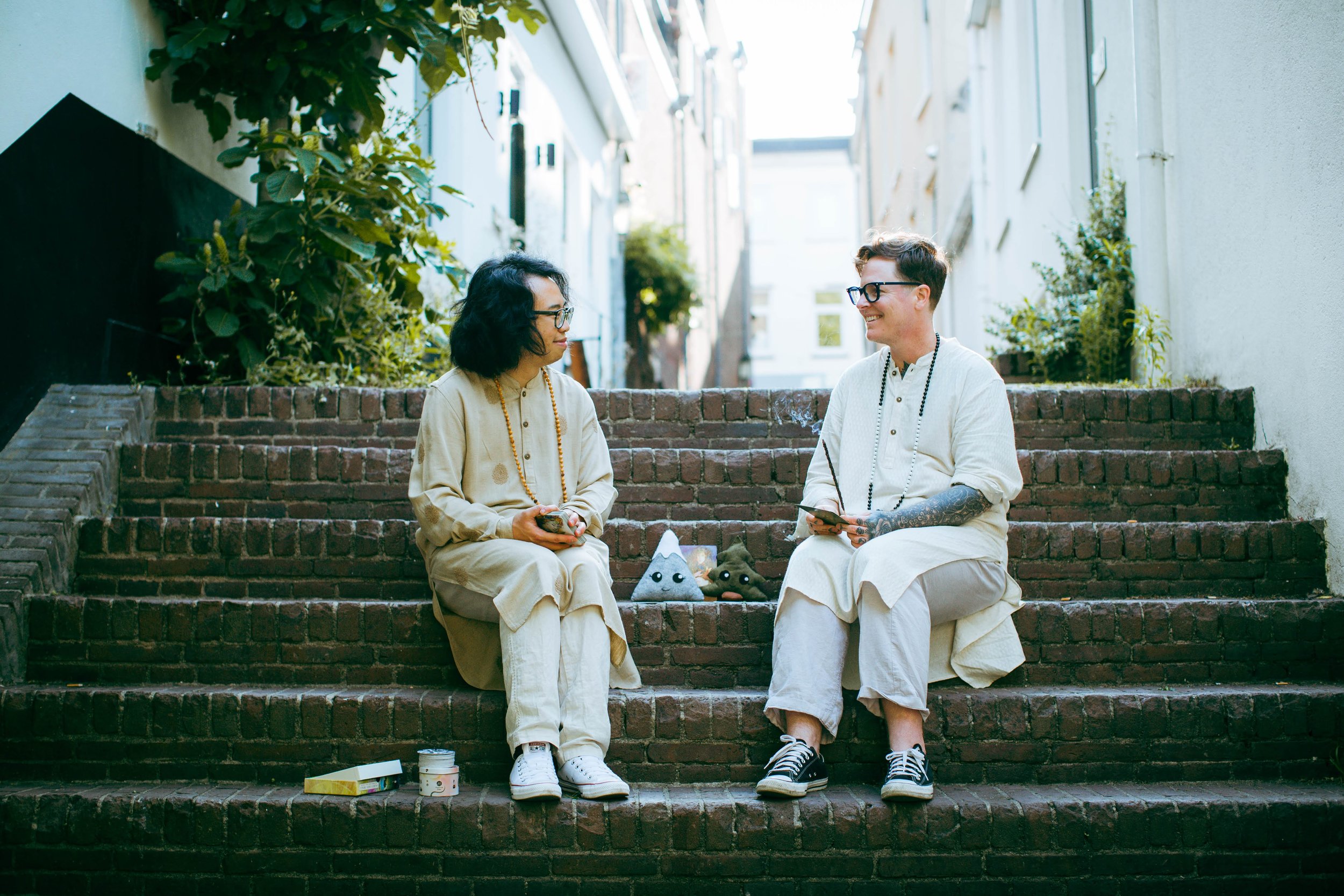
Why two practitioners?
Having two practitioners creates something different from traditional couples counselling. There is more room for each person to be seen and heard, and for the relationship itself to receive our attention.
While one of us is closely engaged in a conversation, the other may notice something quieter: a shift in emotion, a moment of hesitation, an attempt to connect, or something important that might otherwise pass unnoticed.
We also bring different backgrounds and ways of listening. I bring more than a decade of counselling experience, while Kirien brings a deeply rooted practice of mindfulness, relational presence, and embodied awareness.
Together, we can hold more of the complexity of your relationship, without reducing it to who is right, who is wrong, or what needs to be fixed.
We aren't here to become the authorities on your relationship. We're here to explore it alongside you, with curiosity, care, and openness to what might emerge.
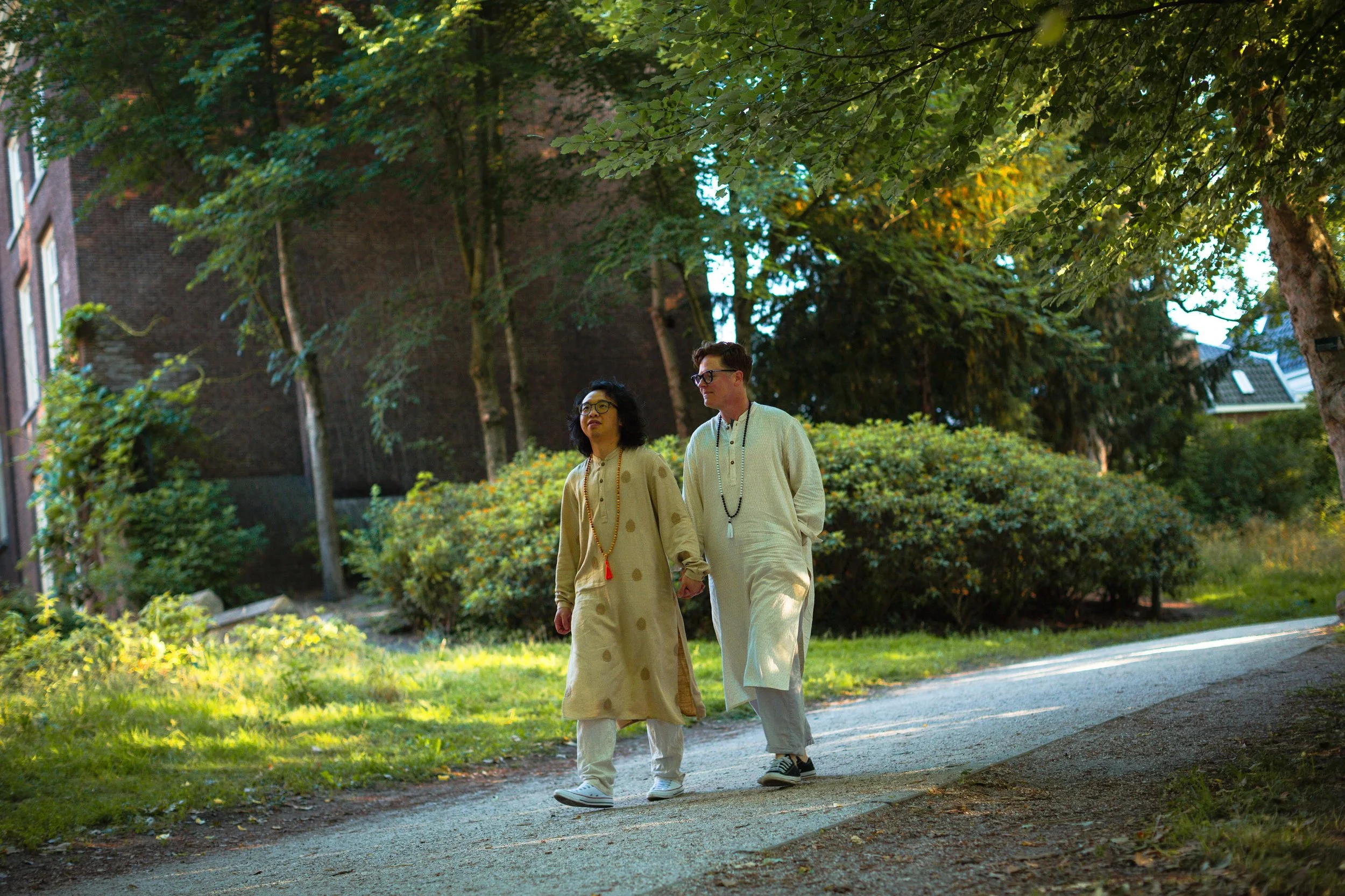
What happens when we slow down together?
When we meet, we're interested not only in the story of what happened between you, but in what begins to happen as you tell it.
You might be describing an argument from earlier in the week, and somewhere in the telling, something shifts. One person becomes quiet. The other begins explaining more urgently. Perhaps there's a moment of hurt, a longing to be understood, or an attempt to reach toward one another that goes unnoticed.
Rather than rushing past these moments, we might invite you to pause, notice what's happening, and become curious together.
What changes when there's enough space to truly hear one another?
Sometimes something unexpected emerges. Hurt beneath anger. Fear beneath defensiveness. Tenderness where there had been distance. Or simply a new understanding of something you've experienced together many times before.
This isn't about getting things right or performing vulnerability. We may invite you to experiment with speaking, listening, moving, or relating in unfamiliar ways, always at a pace that feels workable for you.
Sometimes the smallest shifts open the door to something new. Someone stays present instead of withdrawing. Someone who usually explains says, "That hurt." The other person hears it.
These are the moments we're interested in exploring together.
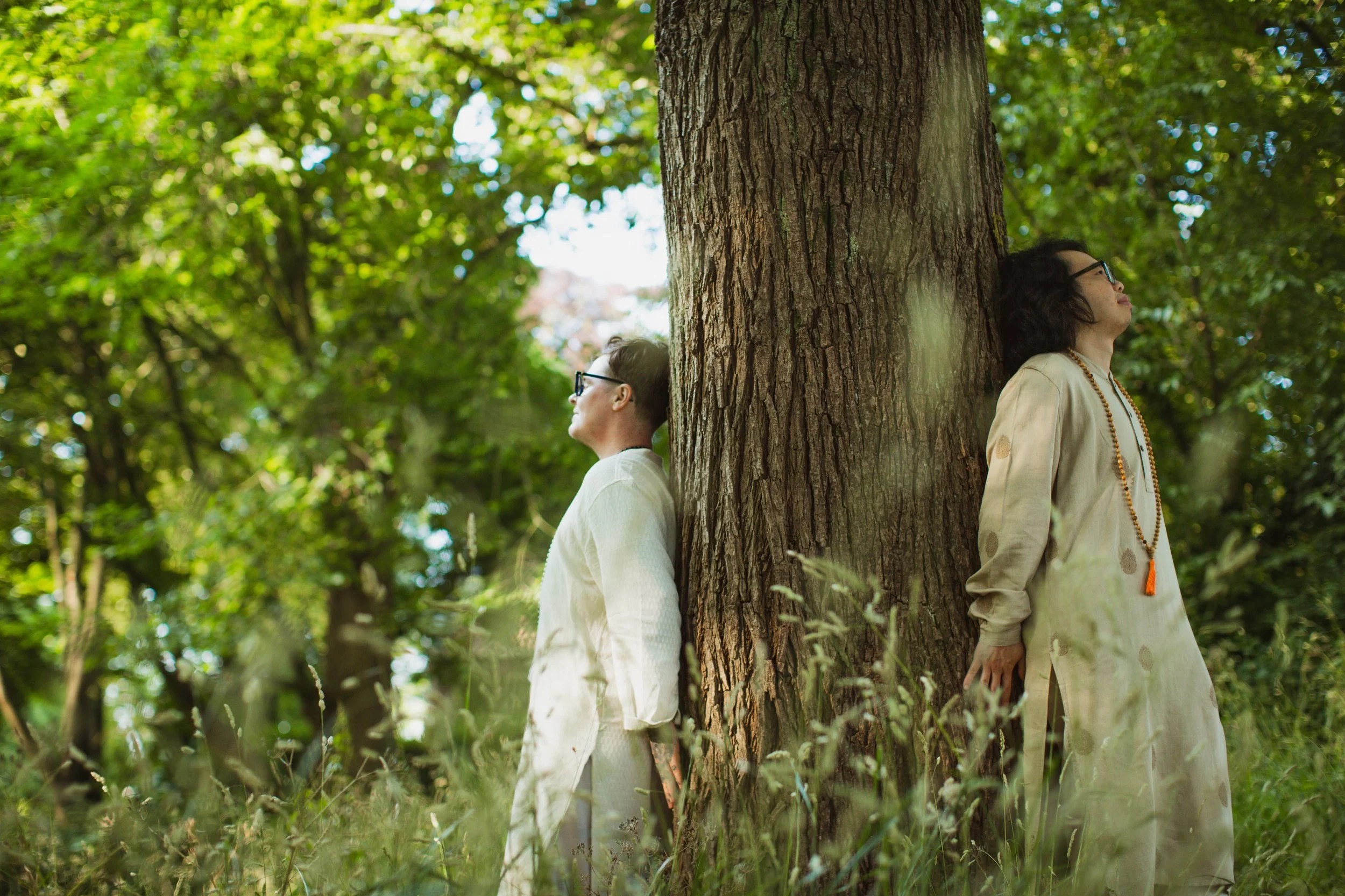
Whatever your relationship is holding, there's room for it here.
Our work may resonate with you if:
You love one another but keep finding yourselves in familiar conflicts, misunderstandings, or painful patterns.
Conversations sometimes become defensive, overwhelming, or difficult to repair.
You're navigating significant life changes, demanding careers, burnout, grief, or uncertainty about the future.
You come from different cultures, backgrounds, or ways of experiencing the world, and want to understand each other more deeply.
You're exploring questions around intimacy, closeness, independence, belonging, or what you want your relationship to become.
Your relationship is doing reasonably well, but you'd love to create more space for connection, discovery, and growth.
You're looking for something more experiential than communication techniques or advice alone.
We especially welcome international, intercultural, interracial couples, LGBTQIA+ relationships, neurodivergent partners, and people navigating polyamory or other forms of non-monogamy as well as more traditional couples.
You don't need to arrive knowing exactly what needs to change. Curiosity, a willingness to slow down, and openness to exploring something new together are enough to begin.
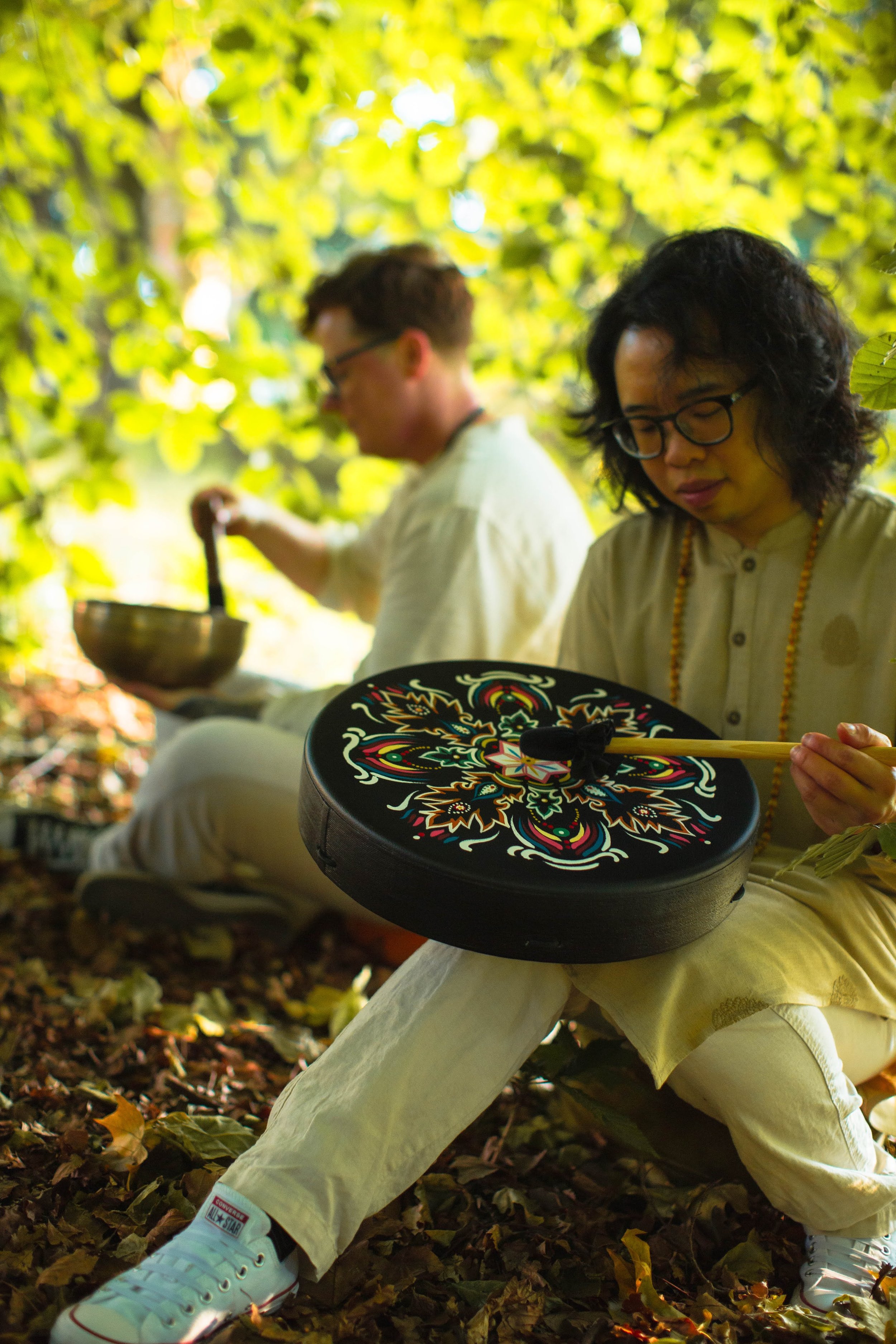
Making room for your relationship
Every relationship has its own rhythms and needs. Some couples appreciate the continuity of meeting regularly, while others are drawn to setting aside a longer stretch of time to explore their relationship more deeply. We offer two ways to work together, and can explore which might feel most supportive for you.
You don't need to know which format is right for you before reaching out. We can explore that together during your introductory consultation.
Ongoing Relationship Sessions
90 minutes | 2,500 NOK (€230)
We meet couples within an ongoing weekly rhythm that supports having a dedicated and consistent space to explore your relationship as it unfolds over time. We become familiar with your shared patterns, deepen our understanding together, and have opportunities to return to what matters with fresh curiosity.
Sessions are available online internationally and in person in Oslo.

Relationship Intensives in Norway
Full day (~ 8 hours) | 19,500 NOK (€1,800)
Sometimes it's helpful to step away from the demands of everyday life and give your relationship more spacious, uninterrupted attention.
Our intensives create room for deeper relational exploration, with time for pauses, reflection, rest, and, where appropriate, individual attention and connection with the natural environment.
For couples travelling to Norway, this can also be an opportunity to experience the quiet, beauty, and spaciousness of the Nordic landscape together. Longer, multi-day experiences can also be arranged.
A more integrated approach: Together and individually
Sometimes, it can be particularly supportive to combine our co-facilitated sessions with individual sessions for each partner.
One of you might meet individually with Soren, while the other meets with Kirien. We can alternate between shared and individual sessions each week, or meet together and individually every week, depending on what feels most supportive.
This creates space to explore both your individual experiences and the relationship you're creating together.
It can be especially valuable when relationship difficulties are central to what you're navigating in life, or when you don't already have individual support. It also gives us opportunities to attend more closely to differences in identity, culture, lived experience, and power within the relationship, drawing on our different backgrounds and areas of experience.
Because we're working collaboratively, there's greater continuity between individual and shared sessions. You don't have to repeatedly explain the wider context of your relationship to entirely separate practitioners.
The intention isn't for either of us to take sides, but to create more room for each person to be understood while continuing to care for the relationship as a whole.
We'll explore together whether this approach would be helpful, agree on clear boundaries around confidentiality and information-sharing, and find a rhythm that works for you.

Support between sessions
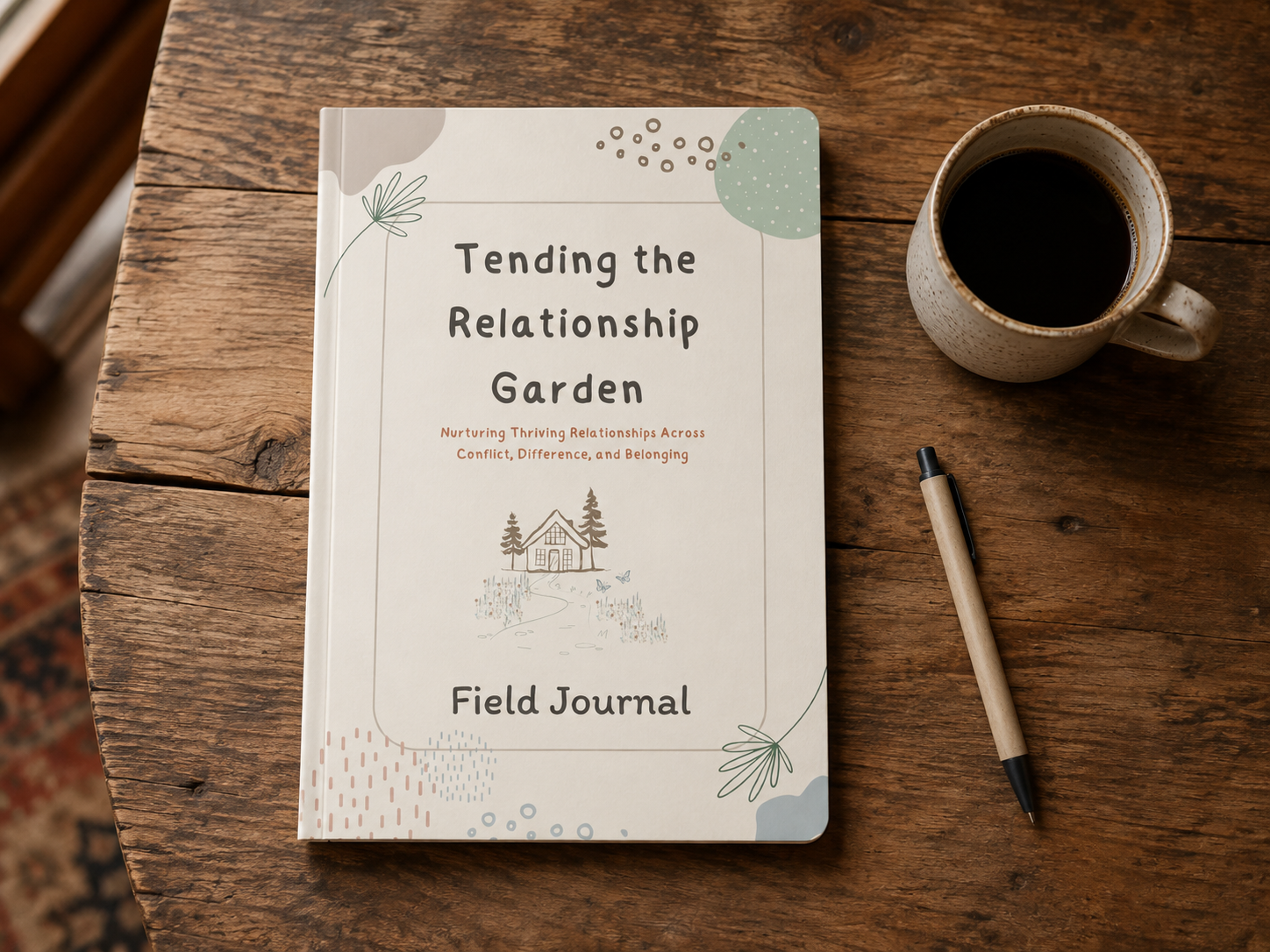
Clients in Co-Facilitated Relationship Counselling also receive access to Tending the Relationship Garden, my self-paced relationship course.
The course is not a programme that our sessions follow. Instead, it offers a collection of practices and reflections around communication, connection, conflict, boundaries, intimacy, and relationship patterns that you can return to when something feels useful.
From time to time, we may suggest a particular practice to experiment with between sessions, or you may explore the course in your own way and at your own pace.
Think of it as an additional resource alongside the relationship work, giving you more ways to keep tending what we are exploring together outside the session.
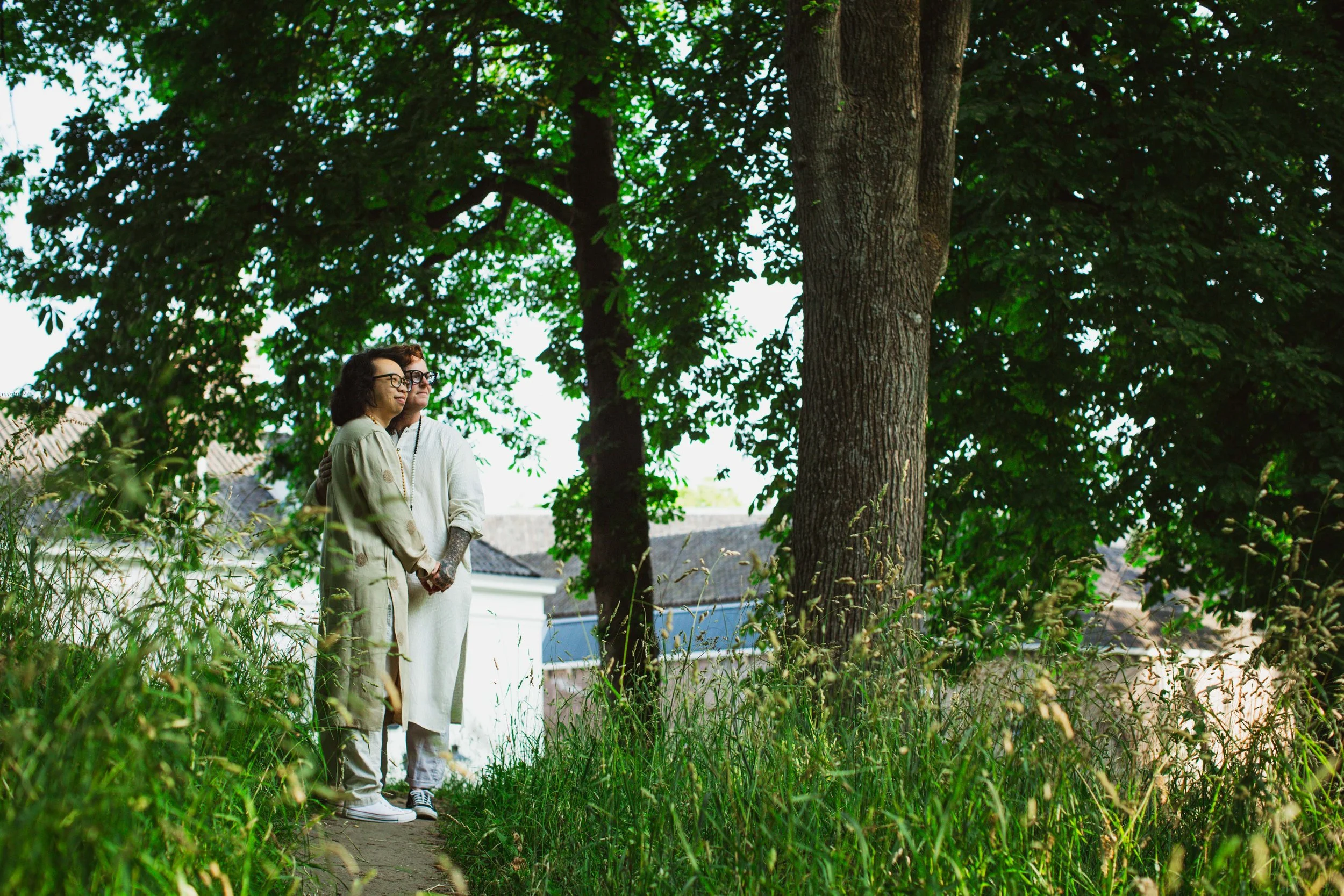
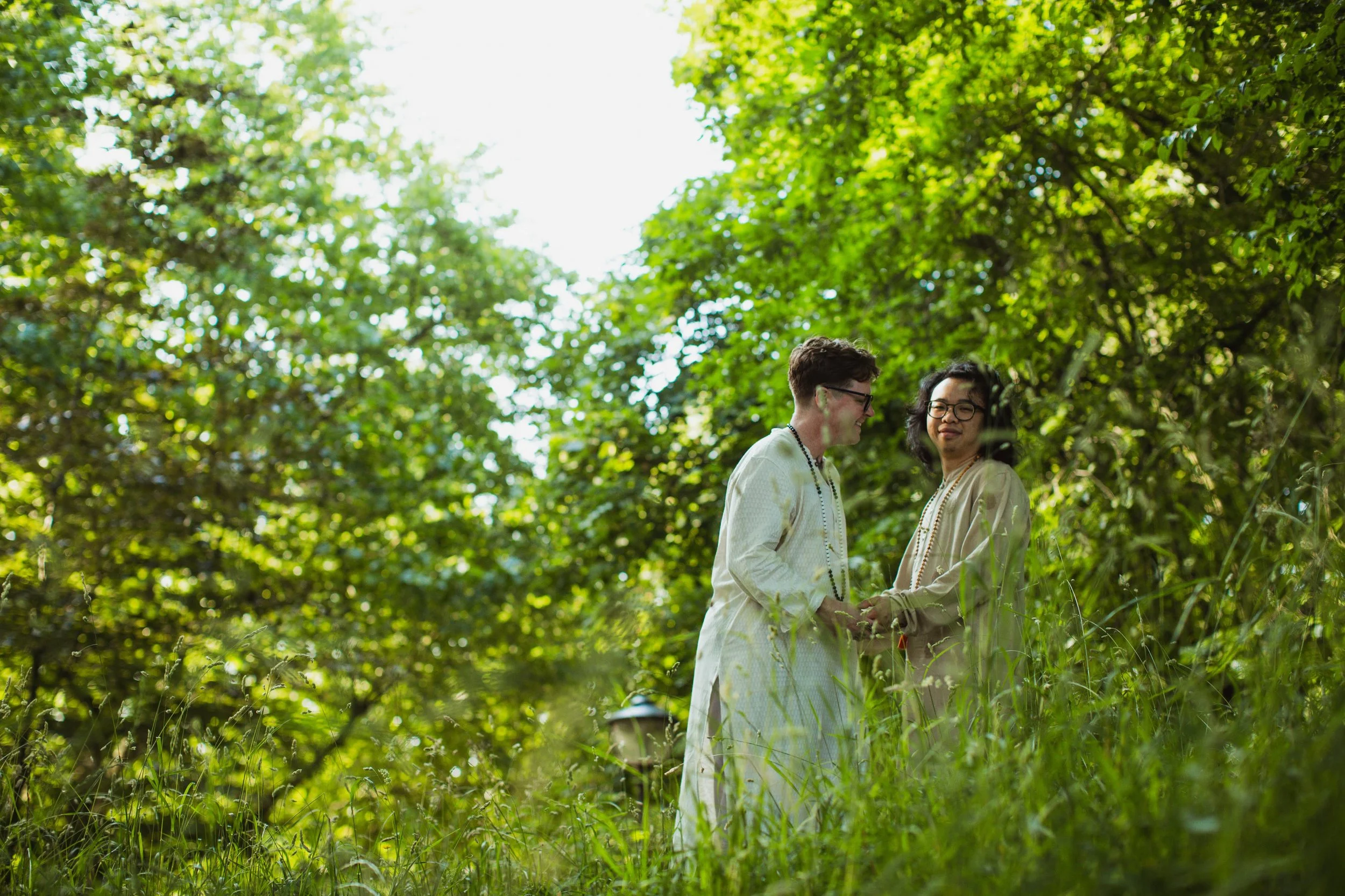
We are practitioners. We are also a couple.
We don't come to this work because we've discovered the secret to relationships. We haven't. We're two people living inside a real relationship, navigating our own differences, misunderstandings, tenderness, complexities, frustrations, joy, and moments of finding our way back to one another.
Our relationship isn't a model we expect anyone else to follow. It is, however, one of the places where we practise what we bring to this work: listening when we'd rather explain, becoming curious about experiences we don't share, making room for difficult feelings, and remembering care when it's hardest to find.
We know that meaningful relationships aren't necessarily free from conflict. What matters is how we learn to meet one another, especially when things become difficult.
That lived experience, alongside our different professional backgrounds, cultures, and ways of seeing the world, shapes how we accompany other relationships.
We don't stand outside your relationship with a clipboard and the correct answer. We sit beside you.
About Soren
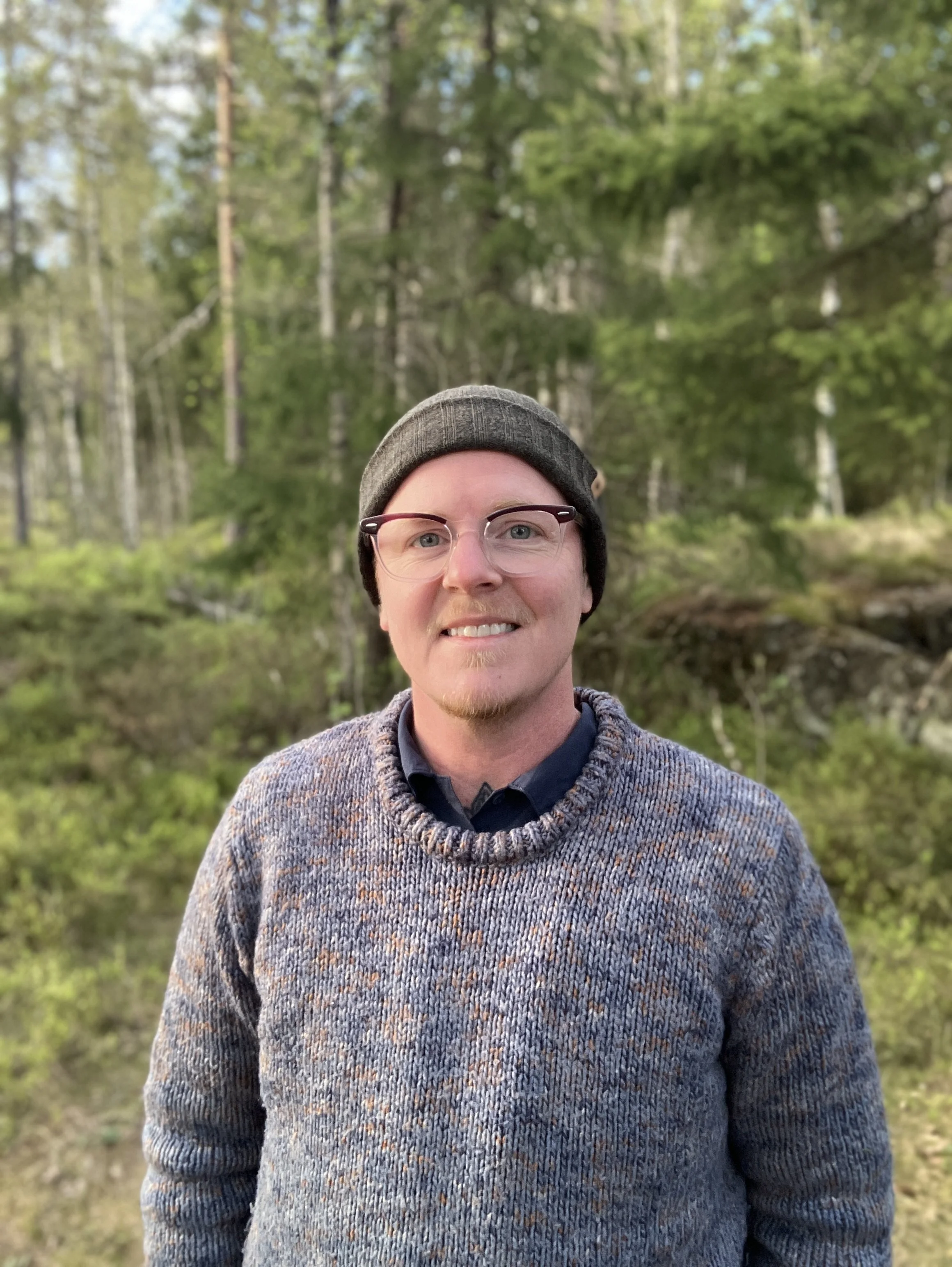
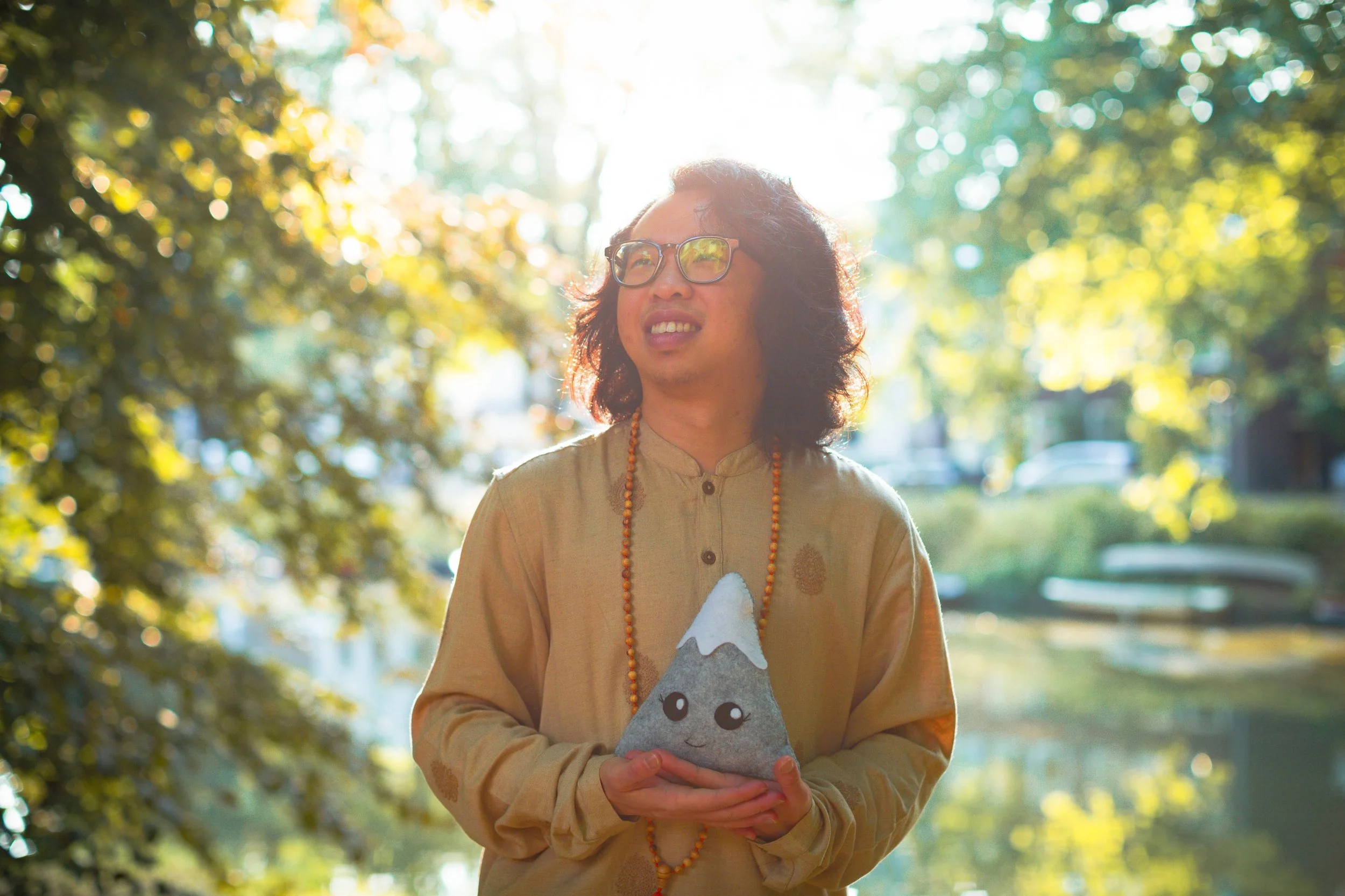
Soren Stone is a US-trained counsellor with a master's degree in Clinical Mental Health Counseling and more than ten years of experience supporting individuals and relationships.
His work draws on somatic awareness, mindfulness, and relational approaches, with particular attention to the patterns that form around conflict, shame, intimacy, and change.
His path has also moved through art, community work, and life across countries, shaping a deep respect for the different worlds people carry into a relationship.
Soren is especially interested in what becomes possible when blame softens and people can become curious about themselves and each other.
About Kirien
Kirien Eyma is a relational and somatic practitioner whose approach has grown from a lifelong dedication to meditation, deep listening, and exploring what it means to be fully present with others.
Their practice draws on Authentic Relating, group facilitation, mindfulness, forest therapy, and ongoing Gestalt training. Having lived in six countries and worked for years in the technology sector, Kirien also brings firsthand experience of navigating different cultural and professional worlds.
Kirien brings a quiet, spacious presence that invites people to slow down, meet difficult experiences with gentleness, and discover new ways of relating.
The care we create between us ripples outward
Our relationships don't exist separately from the world around us. The ways we listen, navigate differences, respond to conflict, and care for one another shape not only our intimate lives, but how we move through our families, communities, workplaces, and the wider world.
Many of us carry hopes for a kinder, more peaceful, more compassionate world, alongside the uncertainty and overwhelm of living in these times. Sometimes it can be difficult to know where to begin.
We believe that tending our closest relationships is one small, meaningful place to start.
Not because we need to get our relationships right or take on another responsibility to change the world, but because the care, understanding, and peace we cultivate between us don't necessarily stop with us.
They have a way of finding their way into everything else we touch.

Let's begin with an experience together
Finding support for your relationship can feel like a significant step. You don't need to know exactly what you're looking for, or have everything figured out, before reaching out.
Our free introductory session is an opportunity to experience our approach firsthand. Rather than simply talking about how we work, we begin working together.
We'll make space for whatever brings you here, slow things down, and explore what begins to emerge when we bring our attention to your relationship. You'll have an opportunity to experience how we listen, ask questions, and accompany you in discovering new ways of meeting one another.
There will also be time to ask questions, get to know us, and explore whether ongoing sessions, a combination of individual and shared work, or a relationship intensive might feel supportive.
You don't need to prepare anything or arrive with the right words. We can begin wherever you are.
FAQ
-
Co-Facilitated Relationship Counselling means that two practitioners work together with one relationship constellation in the same session.
Our approach is experiential and present-focused. Rather than having two experts analyse your relationship, we use the additional presence to pay close attention to what happens between you in real time.
The work draws from relational mindfulness, Authentic Relating, Gestalt-informed practice, somatic awareness, and Soren's professional background in couples and relational counselling.
-
The biggest difference is the presence of two practitioners.
That gives the relationship a wider field of attention. Each of us may notice different aspects of an interaction, and one practitioner can sometimes continue holding space while the other is more actively engaged.
Our approach is also particularly experiential. We are interested not only in what happens in your relationship outside the session, but in what begins happening between you while all of us are together.
-
Sometimes we may offer observations, ideas, or practices. Advice is not the centre of the work.
We are more interested in helping you slow down enough to notice your own relationship clearly.
Our hope is not that you become more dependent on our interpretations, but that you become increasingly able to recognise what is happening between you and respond with greater awareness and choice.
-
No.
We do not pair ourselves with individual partners.
The relationship is the focus of the work, and both of us remain interested in understanding each person's experience as well as what happens between you.
There may be moments when one of us is particularly engaged with one partner, but neither practitioner serves as that person's advocate against the other.
-
That is welcome.
We do not expect four people in a room to experience the same moment identically.
If we notice something differently, we can be transparent about that. Multiple perspectives can sometimes help loosen the idea that there must be one correct interpretation of what happened.
-
Yes. The co-facilitated relationship sessions remain the centre of the work, but individual sessions can sometimes be woven in when something would benefit from more space.
This might mean one partner meeting individually with me, while another meets separately with Kirien, or adding occasional individual sessions alongside the shared work. One benefit of this format is that you do not have to spend an entire session explaining the relationship from the beginning. We already know the wider context and have been in the room with you together.
Individual sessions are not used to create sides or alliances within the relationship. When we come back together, both of us remain oriented toward the relationship as a whole.
We will also talk clearly in advance about privacy, confidentiality, and how information from individual sessions is handled within the shared work.
-
No.
We work with relationships rather than marital status.
Dating couples, married couples, long-term partners, queer relationships, polyamorous and non-monogamous relationships, intercultural couples, international couples, and couples in long-distance relationships are welcome.
-
Yes.
Intercultural and international relationships may involve differences around communication, family, affection, conflict, independence, responsibility, gender, sexuality, money, home, migration, belonging, and what partnership itself is supposed to mean.
Those differences can be explored without assuming that one cultural framework is the correct one.
Sessions are offered in English.
-
Yes.
Online couples counselling can work particularly well for long-distance couples because each partner can join from their own location.
The relationship itself may also be navigating distance, visits, time zones, communication rhythms, intimacy, migration decisions, uncertainty, or plans for eventually living in the same place. Those experiences can become part of the work.
-
Yes.
LGBTQIA+, queer, trans and gender-diverse relationships are welcome, as are polyamorous, open, and consensually non-monogamous relationships.
We begin with the relationship you actually have rather than assuming that it should follow a conventional model.
-
You do not need to arrive knowing whether you want to stay together.
We can make space for uncertainty.
Sometimes relationship work supports people in finding a different way forward together. Sometimes it helps people understand that a relationship needs to change or end. Our intention is not to push toward either outcome.
-
Soren holds a master's degree in Clinical Mental Health Counseling and is licensed as a mental health counsellor in Washington State in the United States.
In Norway and internationally outside the United States, this work is offered as non-clinical counselling, coaching, relational support, and experiential practice outside the Norwegian authorised healthcare system.
Kirien participates as a relational and mindfulness practitioner and facilitator.
We do not provide emergency, crisis, diagnostic, or medical mental health services through this offering.
-
Yes.
There is no requirement to commit to a long programme simply to experience the Co-Facilitated Relationship Counselling format.
Begin with the free consultation. We can talk about what you are looking for and decide together what kind of rhythm or format might make sense.